Defining Type 2 Diabetes
Type 2 diabetes is often labeled as adult onset, or I've also heard it as non-insulin dependent. It is much more common than type 1, especially in adults, though nowadays it is even being seen in some children.
When you have diabetes , what happens is that the pancreas is slowing down, but still producing some insulin. Type 2 diabetics are often known as being insulin resistant, which simply means is that the insulin does not travel correctly within the body and go where it needs to in order to lower blood sugars properly. Over time, at least in my own personal case, my own pancreas had gradually decreased in it's insulin production, to the point where I actually made very little insulin on my own. It was at that time that my doctor prescribed a long acting insulin Lantus for me so that I would have enough in my system to lower my sugar levels.
What happens in both types of diabetes, is that we lose our ability to make insulin, or do not utilize the insulin we make properly for sugar control. Sugar is very important in that it is the basic fuel for the cells in our bodies. We need insulin to carry sugar from the blood and into the cells.
Both types of diabetes, are serious conditions and can lead to many health problems. Problems that diabetics encounter are kidney disease, heart disease, and circulatory problems, not to mention the effect it has on the eyes. It is very important that your blood sugar fluctuations are tightly controlled with good control of blood sugar levels.
What is good blood sugar control? The normal range should be between 70-98 fasting, and not above 130 after meals for anyone. A blood sugar level above 126 or more fasting is indicative of a blood sugar problem, especially when taken fasting on two different occasions.
Diabetic patients should look into multiple sources of information in order to figure out the best methods available to deal with their condition. A good doctor will know how to treat it right and give you the nutritional information you need to eat the right foods for control of your sugar levels.
Sometimes herbal preparations can help, though I personally have never sworn by them myself. See your doctor for further advice on this subject of vitamins.
I will discuss weight and diabetes further later in my articles and perhaps add a doctor's article for reprint on this as I do have a wealth of materials I can use on the subject of weight and blood sugar control. Look for upcoming articles then.
Did you realize that pancreatitis is often brought on by diabetes? Click
here for info.
Children have type 2 diabetes also.
Got Health Issues? Need Some Advice?
Exercise Routines, Weight Loss, Dieting,
Addictions, Diseases, Sleep Disorders,
You Name It We've Got The Answers!
Health Issue Tips
Self Management has recipes, nutrition, diabetes support groups database, and much more. I post the Latest News and Information at least every week. Visit defeat diabetes at
http://defeatdiabetes.org/self_management
Type 2 Diabetes and Oral Medications
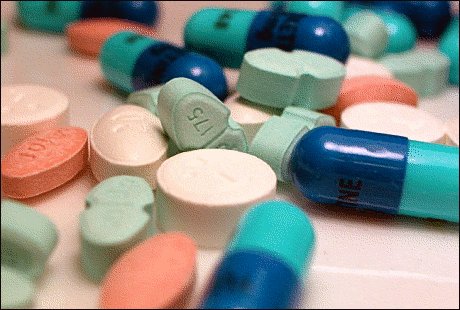
Type 2 diabetes can often be treated with oral medications when first diagnosed. This is where I was when I first was found to have type 2 myself. Unfortunately, pills may not do you good forever as in my case, but I was able to avoid insulin for 12 years by taking just oral medications.
There are several types of medications available. You may take one drug or a combination of them.
Sulfonylureas These drugs stimulate your pancreas to make more insulin. If you have working insulin cells yet, they will do the job. They are also used in conjunction with insulin injections.
Biguanides This class of drugs decrease the amount of glucose made by your liver.
Alpha-glucosidase inhibitors These drugs will slow the adsorption of the starches you eat.
Thiazolidinediones This category of drug types will make you more sensitive to insulin that you still make on your own.
Meglitinides These drugs will stimulate your pancreas to make more insulin while the pancreas is still able to do so.
D-phenylalanines These derivative type of medications help your pancreas make more insulin quickly.
DPP-IV Inhibitors These medicines boost incretin gut hormone production to help lower blood glucose levels.
Combination oral medicines These medicines will combine separate oral medicines together.
LifeGress - Where Life Meets Progress
Get the latest news about the breakthroughs and discoveries that are going to change the future of the world. Lifegress is updated daily with information about technological, scientific and medical developments that will impact everyone's lives for the better. Click here to see.
Type 2 Diabetes Treatment Alternative
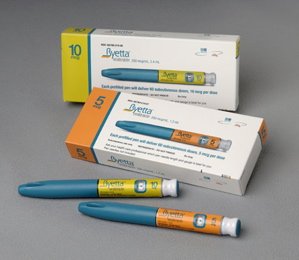
In type 2 diabetes, there is an alternative to insulin which is Byetta. This injectable drug also known as Exenatide, is the first in a new class of medicines called incretin mimetics because it mimics the action of the hormone human glucagon like peptide-1. Glucagon-like peptides are produced and released into the blood by the intestine in response to foods. They will increase the secretion of your insulin from the pancreas and slow emptying of your stomach., which in turn decreases the amount of glucose in your bloodstream. They also suppress the release of glucagon by your liver, which can decrease hyperglycemic episodes. Byetta also reduces the appetite. All together, these actions reduce blood glucose levels. Byetta will reduce your sugars when they are high, but does not continue to do so after a normal level, therefore avoiding the risk of hypoglycemia.
Byetta can work alone, but it is often used in combination with other pills such as Metformin or Actos. It is prescribed for type 2 patients who have not been able to achieve good control with pills alone.
With Byetta stimulating the creation of insulin in the pancreas, it should not be used in patients with type 1 or who require insulin to live. Some people like myself for instance, cannot take Byetta. It causes really bad nausea in many patients as it did me, and sometimes cannot be tolerated well. In other patients, I have heard it works just fine without side effects, and in others, the nausea will go away over time.
Talk to your doctor about this alternative if your sugars are not under control, but you are not ready for insulin. It may be the right alternative for you.
The miracle of Good Health is like a gift that we do not fully appreciate and tend to take for granted until we lose it. To learn something about this gift and how we can ensure that we live a long happy life visit
the miracle of good health.
For more information on type 2 diabetes, see this site.
For more information on diabetes; its symptoms, causes, risk factors, tests, types, home remedies, diabetes complications, hypoglycemia, ketoacidosis, insulin, modern and alternative medicine treatments, visit Healthy-ojas.com
Diabetes Mellitus
Visit my partner's diabetes site here.
Make this site more interesting and tell your Type 2 Story!
Do you have type 2 diabetes? Tell us your story! After all, this site was built for you! Tell us how you manage your type 2 diabetes.
What Other Visitors Have Said
Click below to see contributions from other visitors to this page...
Why Diabetes Can Cause Hair Loss 
Why Diabetes Can Cause Hair Loss
Why Diabetes Can Cause Hair Loss By Jennifer Kirkman
Diabetes can cause many multiple problems …
Diabetes Mellitus Invitation to Several Health Problems
by Nick Mutt In diabetes mellitus, the glucose level in the urine and blood is high. A high level of blood sugar is due to deficiency of insulin, …
My Friend Had Type 2 and Complications
Hi, I am telling story of diabetes, that was detected in my friend. I remember the day when we reached to the family doctor complaining some problem with …
Type 2 Diabetes Was My Wake-Up Call
I was diagnosed with Type 2 diabetes three years ago. At first, I was in complete denial, maybe it was just my poor eating habits that raised my blood …
I Had An Unquenchable Thirst
Last May, my husband and I were in Las Vegas on vacation, when I developed an unquenchable thirst. At first, I thought it was because of the hot weather, …
Diet, Exercise, and 1 Pill a Day
I was diagnosed with TYPE II Diabetes approximately 7 years ago. Fortunately, it was caught early enough that I've only had to take 1 pill a day (Actos) …
A Long Road of Problems Ahead
I have had diabetes at the age of 30. I discovered it only when I went for a medical test due to an operation for appendicitis. The doctor recommended …
Diabetes Came as A Surprise to Me
I was 30 years old when I was diagnosed. My mom has diabetes. I knew nothing about it. I had a medical emergency and the paramedics told me I had diabetes. …
Diabetic with foot complications.....
I have had diabetes for more than fifteen years. Before five years, my foot was torn by a stone and I had an injury. I underwent a minor surgery and was …
It's Tough
I found out I was type 2 in Oct of 07, great right at the holidays !!! At first I was scared and tried to do everything perfect. But I have no support, …
How I got off the Diabetes pills for 14 months! Not rated yet
Hi! my name is Rhonda Chartrand and I was Diagnosed with Type 2 Diabetes on July 30, 2009, after suffering from the classic signs of Diabetes; extreme …
I Hate Myself for being Diabetic Not rated yet
I was diagnosed at 45. I am a big fat piece of crap and even though I exercise religiously, I still am fat and now am diabetic. I can't tell anyone, …
Saw Palmetto with Pygeum & pumpkin oil lowered blood suger Not rated yet
This is my story on how I lowered my blood sugar. I started about 4 months ago taking super Saw Palmetto with Pygeum bark, pumpkin seed oil for my prostate. …
I Refused Treatment with Insulin Not rated yet
It was just accidental, yes, two years ago (age 48) I went for a general blood draw, the lab tech gave me the report and asked me to see the doc right …
A Victim of Type 2 Diabetes Not rated yet
Three years back it was my daughter’s wedding day and I was very happy for my daughter but physically I felt some uneasiness. I ignored that for time being …
Are You Suffering From Diabetes? Not rated yet
Are You Suffering From Diabetes?
Are You Suffering From Diabetes? by Steven Crowley People who are prone to diabetes-especially those …
The Launch of Onglyza-A New Diabetes Drug Not rated yet
Story of Inspiration by Pastor Jeanette Jordan Not rated yet
Type 2 Diabetes and Children-A Doctor's Talk Not rated yet
Jerry Mathers and His Diabetes Not rated yet
mrs Not rated yet
Mum has type two diabetes. She was unwell for a couple of days, then on Tuesday of this week collapsed.She was then seen by paramedics who got her blood …
Diagnosed at the Age of 47 Not rated yet
I was diagnosed with Type 2 diabetes in July of 2002, at the age of 47. I immediately attended a two day diabetes education class, conducted by a local …
Didn't Know I Had Diabetes Not rated yet
HI. I am diabetic. I did not realize that I was diabetic until last year. I had a heart attack in July of 2008. The heart attack was not majorly caused …
Had Type 2 Diabetes For 3 Years Not rated yet
My name is Abhishek Viuli. I am suffering from diabetes from the past 3 years. The best way to control diabetes is diet control and that is exactly what …
Not Being Treated Right By Doctors for Type 2 Not rated yet
In many ways, I can see the sense of the advice I've been given to manage my diabetes as being all that's necessary for an elderly patient, who may have …
Care For Your Diabetes Not rated yet
Diabetes is a serious disease. Following your diabetes treatment plan takes round-the-clock commitment. But your efforts are worthwhile. Careful diabetes …
Diabetes Affected Mom's Mind. Not rated yet
This diabetic story is about my mother. My mother is 64 years old and she has been a diabetic for more than 12 years. She never used to follow strict diabetic …
Insulin is My Preferred Treatment Not rated yet
I have Type 2 diabetes. When initially diagnosed, my blood sugar was in the mid-600s. I tried medication and dietary changes initially but suffered greatly …
I Didn't Realize I Had Type 2 Diabetes Not rated yet
I am writing this just to make people aware they need to get tested if diabetes runs in their family. As you all may know you can get Diabetes from the …
Diabetes: The Personal Life Journey Of Evelyn Martinez Not rated yet
by Martinez Every morning I wake up knowing that I am a diabetic and that I have to check my blood sugar just to see if I am going to have a good day. …
I Developed Type 2 At 31 Years Of Age. Not rated yet
Hi! I am Lelani Flores Sturdevant and I am 39 years old now. I have type 2 diabetes, and I discovered that when I was just 31 years old. I thought I had …
Having Diabetes Wears Me Out Not rated yet
I have type 2 diabetes. I received this diagnosis when I was 42. I was in the hospital and had an enlarged heart and also pernicious anemia. Lupus was …
Faq: Metabolic Syndrome & High Cholesterol Not rated yet
by Lac Tran Q: My doctor told me that I need to lower cholesterol, and she says I have something called “metabolic syndrome." What is that? Do I need …
A Frightening Experience with Diabetes.... Not rated yet
I went to the hospital on March 31, 2004. I had a sore on my right hand for nearly a week. It was just a little sore. I treated it every night pouring …
Type 2 Diabetes Brought Me Trouble! Not rated yet
I have been a diabetic for 15 years. I started out with just taking oral meds and this worked until about four years ago, I started noticing that both …
Diabetic Type2 Not rated yet
When I found out that I was a diabetic with Type 2, I couldn't believe that was happening to me. But I knew that my sister had it, and I guess that was …
Had Diabetes for Ten Years Not rated yet
I have had diabetes for past 10 years, I am now 65 , so it was around the age of 55 that I realized I am diabetic. The symptom was the fact that I constantly …
I Learned I Had Type 2 Diabetes Not rated yet
About five years ago I learned that I have type 2 diabetes. My doctor told me that I should watch my sugar intake and exercise regularly. Since then, I …
Diabetes Makes Life Difficult! Not rated yet
Diabetes has complicated my life in more ways than one. The complications I have include tingling feet when I haven't moved in a while and upon waking …


